
What can leaders control in uncertain times?

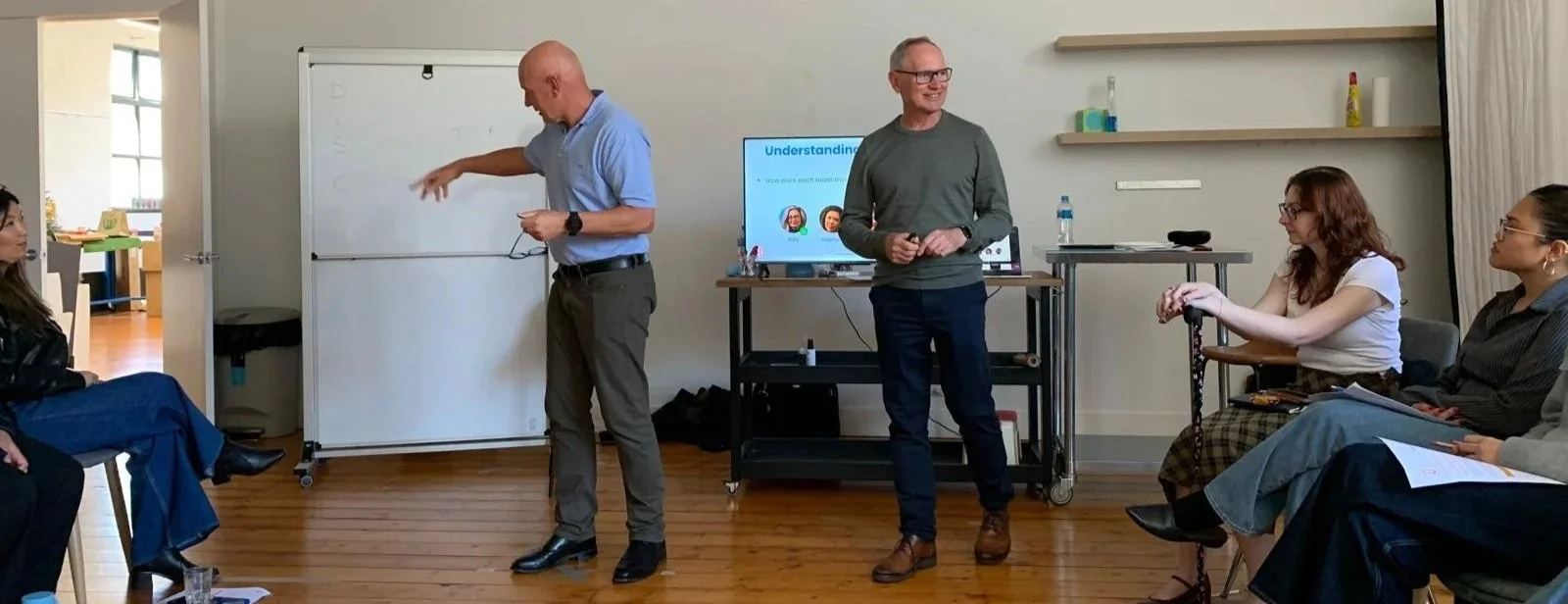
The Howardco team exploring how intentional leadership and strong manager capability help businesses stay focused during uncertain times.
Being a leader is challenging right now.
There’s a common theme in the conversations I’m having with business owners and leaders about what they are experiencing:
Cash flow pressure and rising costs
Mental load, fatigue, and decision overwhelm
Uncertainty about the future and how to lead people through it
What’s important is that these issues don’t just affect business performance; they directly affect the way you perform as a leader.
The impact I am seeing is that as an owner you can become more reactive, withdraw into operational work, delay decisions, communicate less, and carry more of the burden.
I am reminded of the saying “If it’s going to be, it’s up to me”, but that can be a trap in itself. It can lead us into doing more of the work and ignoring our role as leaders.
A different perspective is required to lead during these challenging times.
When everything around you feels uncertain, leadership becomes less about controlling the environment and more about controlling what your people can consistently rely on from you.
Because people are looking for consistency, clarity, and confidence.
One thing I often say in our coaching conversations is:
“You may not be able to control the environment around your business right now, but you can control how you lead through it.”
And that matters enormously.
So what can leaders control?
From the conversations I’m having, there are three things I believe make the biggest difference:
1. You can control your communication
During uncertainty, silence creates speculation.
When people don’t hear from leaders, they fill the gaps themselves, usually with worst-case assumptions.
That doesn’t mean leaders need to pretend everything is perfect.
In fact, when your instinct is to wait until you have all the answers, the opposite is true.
Teams respond far better to honesty, calmness, and clarity than absolute certainty.
The best leaders communicate more frequently, not less.
They are:
keeping people informed
explaining priorities clearly
acknowledging challenges honestly
creating space for questions and discussion
staying visible and present
People don’t expect perfection from leaders.
But they do need to know someone is steady at the wheel.
2. You can control where your energy goes
One of the biggest traps during uncertain times is spending enormous emotional energy on things you cannot influence.
The economy. Interest rates. Politics. Customer behaviour. Global markets.
These things matter. But obsessing over them can drain focus and decision-making capacity.
The strongest leaders I work with keep bringing themselves back to:
What can we influence today?
What action can we take this week?
What do we need to focus on and what is each person's role?
Here’s the direction we are heading in.
Here’s where we are making progress.
That shift is powerful.
It moves leaders from indecision to purposeful action.
And teams take confidence from momentum.
3. You can control how you show up
This one might be the most important.
During difficult periods, people watch leaders more closely.
Your mood.
Your reactions.
Your consistency.
Your presence.
Your resilience.
That doesn’t mean leaders can never feel pressure or uncertainty themselves.
But it does mean being intentional about the environment you create around others.
I’ve seen businesses navigate incredibly difficult periods successfully because the leader stayed calm, grounded, and people-focused.
Not perfect.
Not fearless.
Just intentional.
Sometimes leadership during uncertainty is simply helping people feel:
“We’re going to get through this together.”
And honestly, that matters more than most leaders realise.
Final thought
Don’t forget the important role your managers play.
When managers lack the confidence or capability to navigate difficult conversations, shifting priorities, performance challenges, or team uncertainty, those issues quickly escalate upwards.
Senior leaders become drawn back into day-to-day people problems, decision-making slows, teams lose direction, and performance starts to slide at the very time businesses need alignment and momentum most.
That’s why building capable, confident managers is no longer a “nice to have”; it’s one of the most important investments a business can make during uncertain times.
Leaders need managers who can communicate clearly, create accountability, support their teams through change, and lead consistently under pressure.
Helping businesses and people thrive during uncertain times
At Howardco, we’re about helping leaders navigate the human side of uncertainty, because businesses perform better when people feel supported, aligned, and confident in the leadership around them.
Sometimes the most important thing a leader can provide isn’t certainty about the future.
It’s consistency in how they lead through it.
Ready to build this into your business?
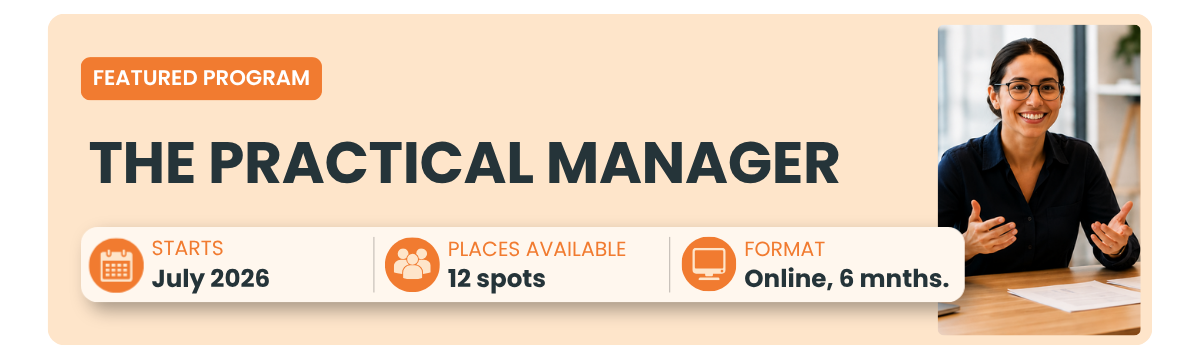
Join our live six-month online manager development program. It is built for managers who are good at their jobs but were never shown how to manage people.
The next cohort of The Practical Manager
starts in July 2026. Only 12 spots available.
Frequently Asked Questions
What does intentional leadership mean in practice?
It means being deliberate about how you lead rather than reacting to pressure. Focusing on what you can control, communicating clearly, setting expectations consistently, and building the capability of the people around you.
How can leaders manage uncertainty without having all the answers?
By being honest about what is uncertain while still giving people direction and clear priorities. The goal is not perfect certainty. The goal is steady, consistent leadership.
Why does manager capability matter so much in uncertain times?
Because managers shape the day-to-day experience of the team. Research reveals employees under high-performing leaders are 4.5 times more likely to be high performers themselves. When managers are equipped, problems are handled earlier and the business is less dependent on senior leaders solving every people issue.
What is The Practical Manager, and who is it for?
A six-month live online manager development program for managers who are technically capable but have had limited development in how to manage people. It covers feedback, communication, accountability, and performance conversations. The next cohort is in July 2026.